
What Is Burns Night? History, Traditions and How to Celebrate

Burns Night is Scotland’s Annual Celebration of Robert Burns, the Nation’s Beloved Poet and Songwriter
Held every year on the 25th January, it brings together people across Scotland - and around the world - to honour his life, works, and influence on Scottish culture. From Burns supper to the recitation of his poetry, Burns night is a blend of history, food and music. It's a fantastic opportunity to experience a slice of Scotland’s rich heritage and join a celebration that has spanned over two centuries.
The Life, Poems and Legacy of Robert Burns
Robert Burns, born on the 25th January 1759 in Alloway, Ayrshire, is widely regarded as Scotland’s national poet. A farmer’s son with an talent for words, Burns captured the spirit of Scottish life, love, and landscape in poems and songs that are known worldwide today.
Some of his most iconic works include Auld Lang Syne, a song often sung worldwide on New Year’s Eve, and Tam o’ Shanter. Beyond his literary achievements, Burns has become a symbol of Scottish identity and pride. By remembering Robert Burns, through Burns night celebrations, Scotland preserves a connection to its history and culture, celebrating both the poet and the nation he loved.
History and Origins of Burns Night
The tradition of Burns night began shortly after Burns’ death in 1796, when friends and admirers gathered to commemorate his life. The first recorded Burns supper took place in 1801, led by the Greenock Burns Club. Over time, these gatherings became formalised celebrations, incorporating poetry readings, music, and traditional Scottish foods.
Burns night quickly evolved into a national phenomenon, spreading across Scotland and eventually to Scottish communities abroad, including Canada and New Zealand. Today, it is a key event in the Scottish calendar and provides an opportunity to come together and celebrate Scotland's land and people.

Traditional Scottish Burns Night Celebrations
Burns night is a celebration rich with rituals and customs. While each supper may vary, several key traditions remain central to the experience.
The Burns Supper: Haggis, Neeps, and Tatties
At the heart of Burns night is the Burns supper. The main dish is haggis, (a savoury pudding made from sheep’s offal, oats, and spices), which is traditionally served with neeps (mashed turnips) and tatties (mashed potatoes).
Burn’s Address to the Haggis
A highlight of the evening is the dramatic Address to a Haggis, a poem by Robert Burns that pays tribute to the dish. Traditionally, a haggis is brought into the room, and the host recites the poem (with flair!) before ceremoniously slicing it open.
Selkirk Grace and Whisky Toasts
Before the meal, the Selkirk Grace is often recited, a short blessing giving thanks for the food. During the evening, attendees also participate in toasts, including the famous Toast to the Lassies and its humorous reply, the Reply to the Lassies.
Music, Bagpipes, and Poetry
No Burns night is complete without music and poetry. Bagpipes can signify the arrival of the haggis, while Burns’ poems are recited aloud. Songs like Auld Lang Syne provide a close to the evening, though not before time is made for a traditional Scottish ceilidh!


How to Celebrate Burns Night in 2025
While traditional elements remain central, modern Burns night celebrations are adaptable for every household. Hosting a Burns night at home can be as simple or elaborate as you like!
Tips for hosting:
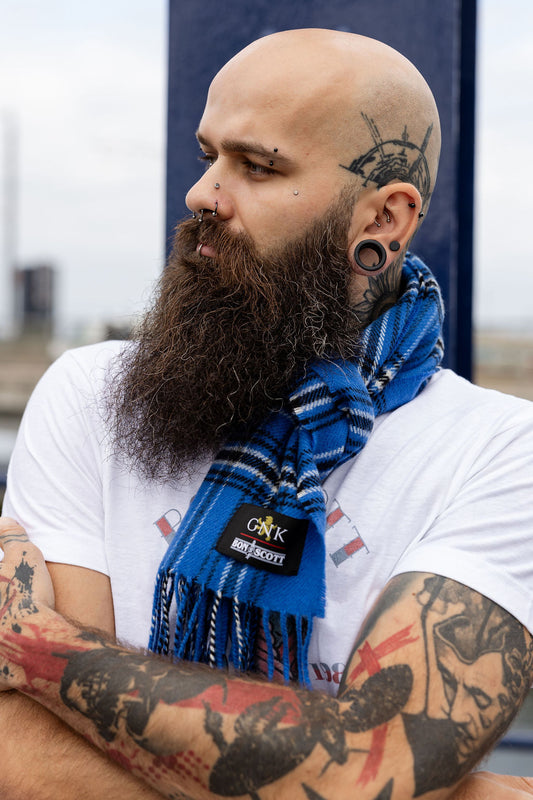
- Dress the part. Celebrate in true Scottish style by wearing a kilt or tartan accessories, including capes or shawls.
- Plan a Burns supper. Haggis, neeps, and tatties, and consider a whisky toast for adults.
- Readings of Burns’ poetry or songs. Either live recital or via recordings.
- Games or quizzes. About Robert Burns and Scottish culture for a fun twist.
- Host or attend a Ceilidh. End the night with celebratory dancing!
What to Wear to Burns Night Celebrations
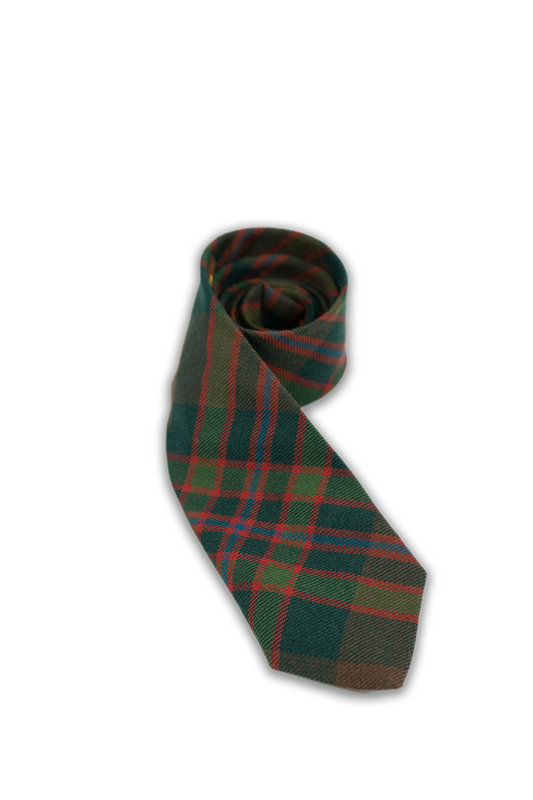
For Burns night, traditional Scottish attire is the perfect way to celebrate in style. Our hire range makes it easy to enjoy a complete outfit, while our collections of tartan capes, shawls, sporrans, and ties are perfect for adding the finishing touches.
Heading to a dance this Burn's night? Head over to our What to wear to a Ceilidh guide for helpful tips and tricks.
And don’t worry - you don’t have to be Scottish to wear a kilt, tartan, or other Highland attire. Burns Night is a celebration of Scotland’s heritage, and anyone can embrace the clothing and join in the fun.

Guide to Burns Night: Frequently Asked Questions
You can be confident in hosting or attending a Burns night celebration with our handy FAQ's!
What is Burns night?
Burns night is an annual Scottish tradition to commemorate the life and poetry of Robert Burns, a Scottish prolific poet, with food, music, and festivities.
When is Burns night celebrated?
Burns night is celebrated each year on the 25th January, the birthday of Robert Burns. The first recorded Burns supper took place in 1801.
Who was Robert Burns?
Robert Burns (1759–1796) was Scotland’s national poet, renowned for poems and songs celebrating Scottish life, culture, and identity. Some of his most famous works include Auld Lang Syne and Tam o’ Shanter.
What should I do on Burns night?
On Burns night, many people attend or host a Burns night supper - a traditional meal featuring haggis, neeps (turnips), and tatties (potatoes), accompanied by poetry readings, toasts, and music. You can also enjoy local events like ceilidhs (traditional Scottish dances) and performances of Burns’ work.
Why do we eat haggis on Burns night?
Haggis is central to the Burns night supper because it was famously celebrated in Robert Burns’ poem Address to the Haggis. The poem honours the dish, and over time it became the symbolic centrepiece of the meal.
What is Haggis made from?
Haggis is a traditional Scottish dish made from sheep’s heart, liver, and lungs mixed with oats, onions, suet, and seasonings, encased in a sheep’s stomach lining (many commercially sold haggis is now made in sausage casings or artificial casings instead)
What can I eat instead of Haggis?
If you’re vegetarian, vegan, or simply not keen on traditional haggis, there are plenty of alternatives you can serve at a Burns night supper. Haggis made from beans, lentils, mushrooms, and oats is widely available, or you could offer a mushroom wellington or stuffed squash.
What drink is traditional on Burns night?
Whisky, especially a good Scottish single malt, is the traditional drink of choice at many Burns night suppers. It’s often used for toasts throughout the evening, such as the Toast to the Lassies. You can also enjoy Scottish beer or non‑alcoholic drinks if preferred.
What is the Toast to the Lassies?
The Toast to the Lassies is a humorous part of the Burns night supper where a speaker pays tribute to the women at the table, often with witty anecdotes. It’s followed by a lighthearted reply from the “lassies.”
What poem do you read on Burns night?
The most traditional poem read on Burns Night is Address to a Haggis, written by Robert Burns to honour the meal’s central dish. Many suppers also include other Burns classics like To a Louse, A Red, Red Rose, and Auld Lang Syne.