
What is First Footing? Everything You Need to Know

As the New Year approaches, one tradition holds strong in many households across Scotland: First Footing.
But what exactly is it? And why is it such an important part of Hogmanay traditions? Whether you’re curious about first footing gifts, how it works, or the history behind the ritual, we’ve got you covered with this all-encompassing guide.
What is First Footing at New Year?
The first footing tradition is where the first person to enter your home after midnight on New Year’s Eve is said to bring luck, prosperity and happiness for the year ahead. It’s a cherished New Year tradition, thought to have been around for over a thousand years, and is still practiced in many homes around Scotland, the North of England and Northern Ireland today.
Although originally the role was specific to a dark-haired man, today, anyone can be a first footer for New Year in Scotland! The most important thing is that you celebrate together and bring in the New Year with good intentions.
Gordon Nicolson, founder of Gordon Nicolson Kiltmakers, says:
“Having grown up celebrating Hogmanay in Scotland, I’ve always loved how first footing brings people together. It’s a simple way to start the year with generosity and positive intentions.”

How to Practice First Footing
Participating in first footing is really straightforward and can be practiced in whichever way works for you and your loved ones. That said, there are a few rituals that can make the experience more authentic if you want to really lean into the tradition:
Step 1: Immediately after midnight on 31st December, the first footer (ideally a tall, dark-haired male) crosses the threshold, entering the home.
Step 2: The first footer presents gifts to the household. Examples of traditional first footing gifts include coal (for warmth), shortbread or bread (food), salt (flavour), a silver coin (prosperity), and whisky (good cheer).
Step 3: The first footer then places coal on the fire, and toasts with members of the household to health, happiness, and prosperity in the year ahead.
Step 4: Cheerful conversation, laughter, and the recital of a first footing rhyme follows next, celebrating the spirit of goodwill and togetherness.
Step 5: Lastly, the first-footer leaves the home through the back door, which is said to release any lingering bad luck from the previous year, allowing the household to enter the next year with fresh energy and good fortune.

The Meaning and History Behind the First Footing Tradition
In Scots, the term “First Footing” (or in Scots, "first-fittin"), stems from “tae first-fit”, which literally means to be the first to visit at the New Year. The tradition is thought to come from the Viking era, where dark-haired male visitors were considered lucky and were said to protect the home from evil spirits, while blonde or red-haired strangers were seen as a sign of danger.
There was also a courtship element involved in first footing for many, with author Robert Chambers recalling a humorous tale in The Book of Days (1864):
“It [first-footing] was a time for some youthful friend of the family to steal to the door, in the hope of meeting there the young maiden of his fancy, and obtaining the privilege of a kiss, as her first-foot. Great was the disappointment on his part, and great joking among the family, if through accident or plan, some half-withered aunt or ancient grand-dame came to receive him instead of the blooming Jenny!”
Where is First Footing Celebrated?
Over the years, the custom spread to form an integral part of Hogmanay traditions across Scotland, particularly in rural communities, the Highlands and major cities like Edinburgh and Glasgow. But it’s not just the Scots who partake - first footing is also popular in other parts of the United Kingdom, such as County Durham, Northumbria, Yorkshire and the Isle of Man. Some areas of Northern Ireland also practice the tradition, such as County Antrim, Londonderry (Derry), Fermanagh, as well as across the border in Donegal.
First Footing Gifts & Symbolism
A key element of the first footing tradition is the first footing gifts brought by the first person to cross the threshold at midnight. Traditionally, the first footer would bring the following tokens, each symbolising its own distinct blessing:
Coal, for warmth and a well provided home
Bread, shortbread or fruit bread (black bun), for food and sustenance
A coin or a herring dressed in paper clothes, for good fortune
Salt, for flavour and preservation
Whisky (a “wee dram”), for cheer
Over the years, a more diverse range of gifts have gained popularity, with people choosing tokens that still hold the same meanings, but feel more relevant to modern day life.
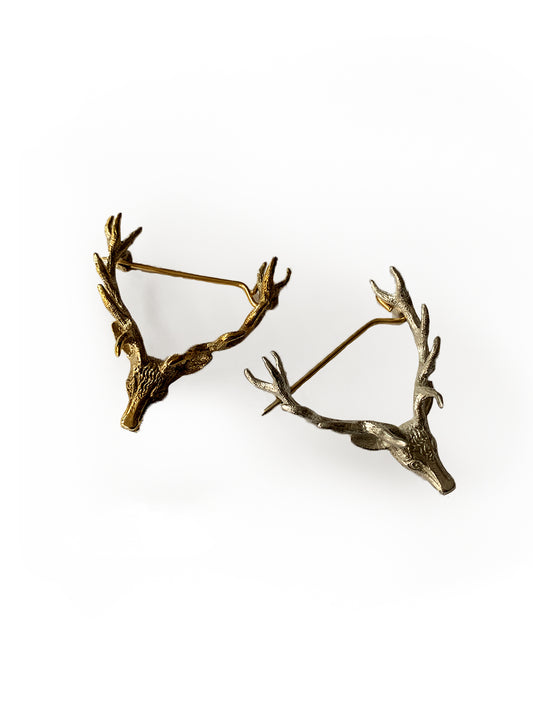
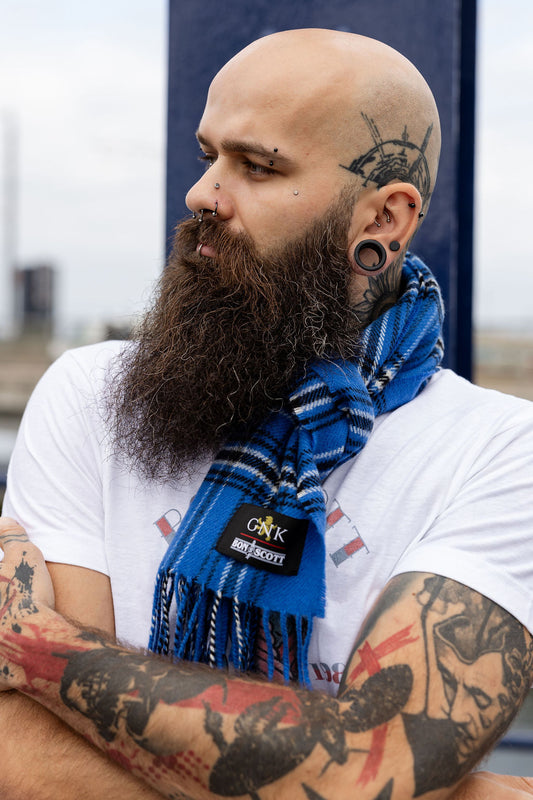
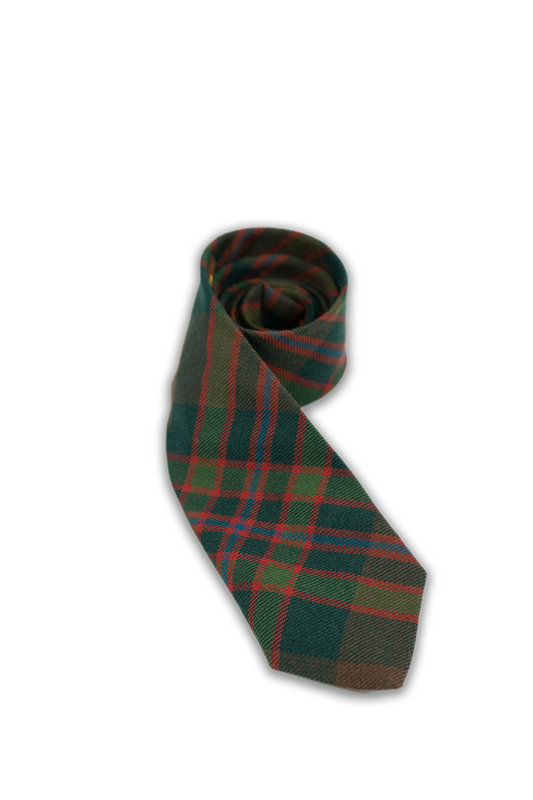
For instance, instead of coal, some first footers bring a tartan scarf or lambswool blanket to represent warmth. A bottle of prosecco or beer in a tartan gift bag is a brilliant substitute for takes the place of whisky, while a lucky charm, kilt pin, or even a scratch card might stand in for a coin or a herring dressed in paper clothes. Needless to say - the herring isn’t a very common gift these days!
These modern twists keep the heart of first footing alive, while giving people the freedom to make the tradition more personal, meaningful and convenient for their own homes.


Embrace First Footing This Year
If you like the sound of first footing and want to get involved, give it a go! Our founder and co-director Gordon Nicolson, encourages everyone to get involved:
“You don’t have to be from Scotland, Ireland, the North of England, or even the UK for that matter to get involved with first footing - anyone can! As long as you bring kindness, warmth, and good cheer into someone’s home, you’re carrying on the spirit of the tradition. It’s all about spreading joy and starting the year on a positive note”.